Vehicles & EVs
Why Wheel Width Matters When Measuring Backspacing
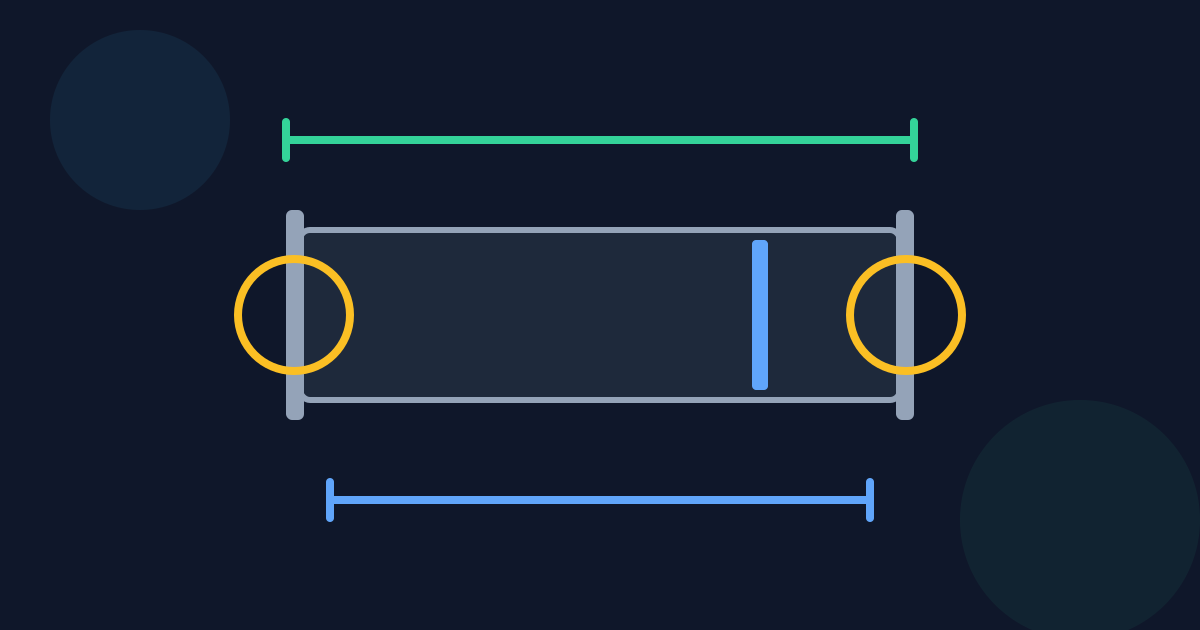
A wheel has two widths. The one on the label is measured where the tire sits; the one that matters for backspacing is measured across the flanges. Mixing them up is the most common backspacing error.
Ready to try the tool this guide describes?
Nominal width and overall width
- Nominal width: the figure on the label (the 8 in 8×17), measured between the bead seats inside the flanges.
- Overall width: the full width across the outer edges of both flanges.
- The difference is the two flanges — often about half an inch each, but it varies by wheel design.
How much the width choice changes backspacing
| Width used for an 8 in, +35 mm wheel | Backspacing |
|---|---|
| 8 in (nominal used by mistake) | 5.38 in |
| 8.8 in (0.4 in flange each side) | 5.78 in |
| 9 in (0.5 in flange each side) | 5.88 in |
| 9.2 in (0.6 in flange each side) | 5.98 in |
Why the error is half an inch
Backspacing uses half the overall width. Leaving out both flanges takes a full inch off the width, and half of that — 0.5 inches, or 12.7 mm — off the backspacing. A wheel bought on that figure would sit half an inch farther inboard than expected.
Getting the width right
- Measure across the outside of both flanges with two straightedges and a tape, if the wheel is to hand.
- Otherwise use the maker’s published overall width, if it lists one.
- Failing both, use a flange allowance and treat the result as an estimate.
Width changes and fitment
When you compare an old and a new wheel, the flanges usually cancel out: two wheels with similar flanges change in overall width by the same amount as their nominal widths. That is why the poke and clearance comparison can use nominal widths, while a single backspacing figure needs the overall width.
Wheel Width and Backspacing FAQ
- Is an 8-inch wheel 8 inches wide?
- Between the bead seats, yes. Across the flanges it is wider — often about 9 inches.
- What is a wheel flange?
- The raised lip on each edge of the rim that holds the tire bead in place.
- What happens if I use the nominal width for backspacing?
- The result comes out about 0.5 inches too small, because half of both flanges is left out.
- How wide are wheel flanges?
- Often around half an inch each, but it varies with the rim design. Measuring is the only way to be sure for a particular wheel.
- Do I need the overall width to compare two wheels?
- Not usually. If both wheels have similar flanges, the change in nominal width equals the change in overall width.
Related guides
- Calculating BackspacingWork out wheel backspacing and frontspacing from the wheel’s width and offset, in inches or millimeters, with worked examples for car and truck wheels.
- Offset vs BackspacingHow wheel offset and backspacing differ, why the same backspacing gives different offsets on different widths, and which measurement each market uses.
- Offset From BackspacingCalculate wheel offset from backspacing and wheel width, with a flange allowance or a measured overall width, and see how much the width choice matters.
Open the tool
Jump into Wheel Backspacing Calculator when you are ready to process your files.