Vehicles & EVs
How to Calculate Wheel Backspacing
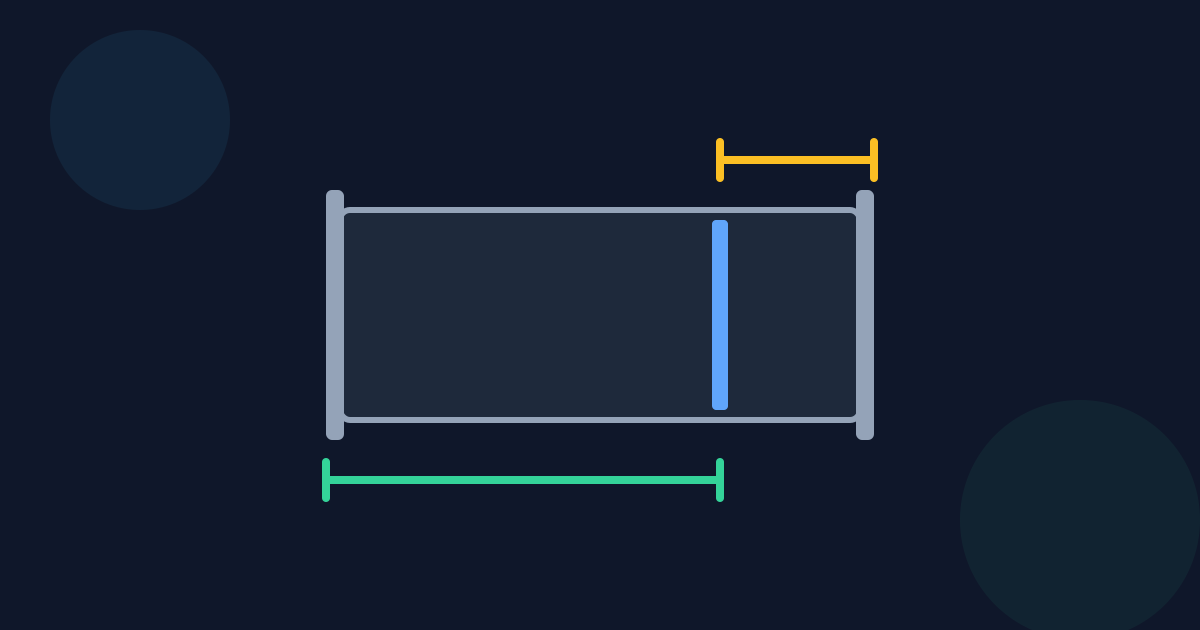
Backspacing is the distance from the wheel’s back edge to its mounting face. It tells you how much of the wheel sits inboard of the hub — the part that has to clear the suspension.
Ready to try the tool this guide describes?
The formula
- Overall width = nominal width + a flange allowance on each side, or the measured flange-to-flange width.
- Backspacing = overall width ÷ 2 + offset, with the offset converted to the same unit.
- Frontspacing = overall width − backspacing.
Worked examples
| Wheel | Overall width used | Offset | Backspacing | Frontspacing |
|---|---|---|---|---|
| 8 in | 9 in (assumed) | +35 mm | 5.88 in | 3.12 in |
| 10 in | 11 in (assumed) | −12 mm | 5.03 in | 5.97 in |
| 7.5 in | 8.5 in (assumed) | +45 mm | 6.02 in | 2.48 in |
The first example step by step
An 8-inch wheel with a half-inch flange allowance each side is 9 inches overall, so its centerline is 4.5 inches from the back edge. A +35 mm offset is 35 ÷ 25.4 ≈ 1.378 inches toward the street side, so the mounting face is 4.5 + 1.378 ≈ 5.88 inches from the back edge. The remaining 3.12 inches is the frontspacing.
Measuring it directly
Lay the wheel face down, put a straightedge across the back flange, and measure straight down to the mounting face. A measured backspacing needs no flange assumption at all — it is often the most reliable figure you can get for a used wheel.
When backspacing is the number to check
- Inner clearance: more backspacing brings the inner lip closer to struts, springs, and control arms.
- Truck and off-road wheels, which are often sold by backspacing rather than offset.
- Comparing wheels of the same width: a difference in backspacing is the same difference in offset.
Calculating Backspacing FAQ
- How do I calculate backspacing from offset?
- Add the offset to half the overall width, in the same unit. An 8-inch wheel at +35 mm with a 9-inch overall width has about 5.88 inches of backspacing.
- What is frontspacing?
- The distance from the mounting face to the front (outer) flange edge: the overall width minus the backspacing.
- Does negative offset reduce backspacing?
- Yes. A negative offset is subtracted from half the width, so the mounting face sits closer to the back edge.
- Should I use the nominal or overall width?
- The overall width, because backspacing is measured to the flange edge. Use a measured width if you have one.
- Is more backspacing better?
- Not in itself. More backspacing tucks the wheel in, which helps fender clearance but uses up room on the inside.
Related guides
- Offset vs BackspacingHow wheel offset and backspacing differ, why the same backspacing gives different offsets on different widths, and which measurement each market uses.
- Wheel Width and BackspacingNominal vs overall wheel width, where the flanges come in, and how much backspacing changes when the width is assumed instead of measured.
Open the tool
Jump into Wheel Backspacing Calculator when you are ready to process your files.