Shipping & packaging
Non-Stackable Cargo in a Container Load Plan
Cargo that can’t be stacked on uses floor the way everything else uses volume. Plan it as floor space first, and the rest of the load falls into place around it.
Ready to try the tool this guide describes?
Why it costs floor space
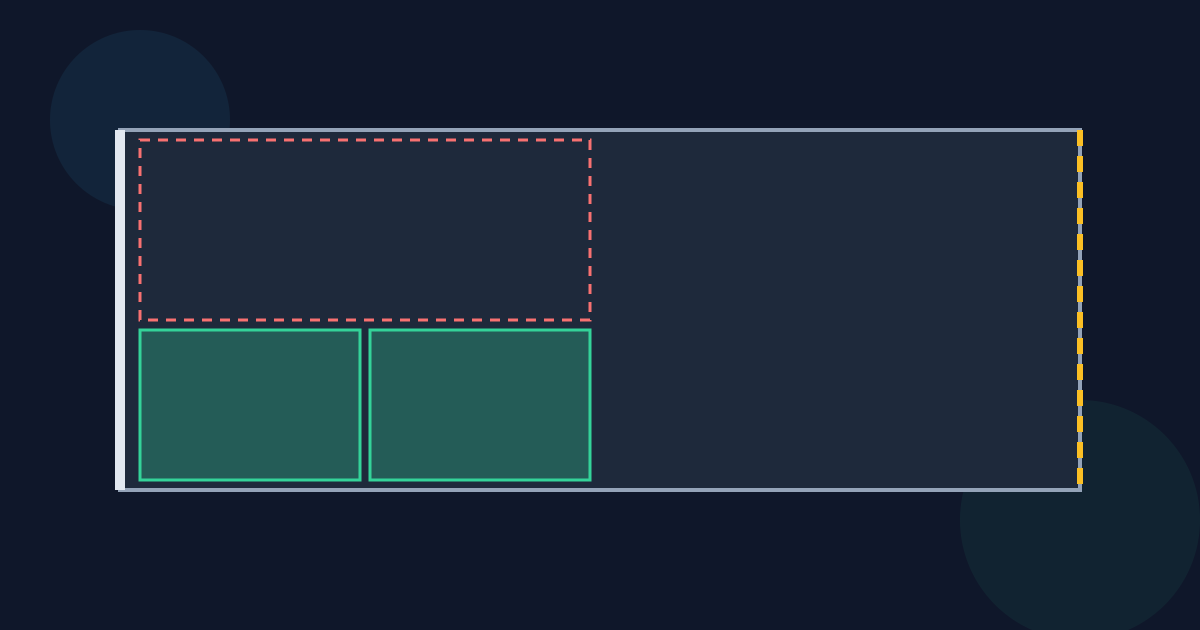
Four 48 × 40 × 40 in crates that can be stacked two high fit in one wall, 48 in of floor, in an example container 94 in tall. If nothing can go on them, the same four crates take two walls — 96 in of floor.
The space above it
Over those two walls, the space from the crates’ tops to the ceiling stays empty unless something else is allowed on top. The crates are only 15.31% of the inside volume either way; what changes is how much floor they block.
Stackable or not, compared
| Four 48 × 40 × 40 in crates | Per wall | Walls | Floor used | Free floor at the doors |
|---|---|---|---|---|
| Can be stacked two high | 4 | 1 | 48 in | 184 in |
| Can’t be stacked on | 2 | 2 | 96 in | 136 in |
Planning around it
- Work out the floor non-stackable cargo needs before anything else.
- Check whether anything light and small is allowed on top of it.
- Keep it where it can be reached and unloaded without moving other cargo.
Height still matters
A tall item that can’t be stacked on may still have to clear the door, and a short one wastes more of the height above it. Both affect how many such items a container can take.
Non-Stackable Cargo in a Load Plan FAQ
- Why does non-stackable cargo fill a container so quickly?
- Because it uses floor area without using the height above it. A container usually runs out of floor long before it runs out of volume with this kind of cargo.
- Can anything go on top of non-stackable cargo?
- Only what its packaging, its labels, or its owner allows. Treat “not stackable” as nothing at all unless you know otherwise.
- Does non-stackable cargo affect volume utilization?
- It keeps it low, because the space above the cargo goes unused. Floor-space figures show the real limit better.
- Should non-stackable cargo go in first or last?
- That depends on when it has to come out, and on how it is secured. The load plan should record the choice either way.
- How do I show non-stackable cargo in a plan?
- Place it one high and leave the space above it empty, so the plan never puts other cargo there by mistake.
Related guides
- Planning a Container LoadA step-by-step way to plan where mixed cargo goes in a container: list it, check each item against the inside and the door, order it, and build it in walls.
- Mixed Cargo Sizes in One ContainerHow several cargo sizes share one container: separate sections, partly filled walls, item positions chosen per type, and where the wasted space hides.
Open the tool
Jump into Container Loading Calculator when you are ready to process your files.